-
The Real Question: Is a Duvet Insert Different from a Comforter?
-
Duvet Insert vs. Comforter: Why the Lines Blur
-
Sizing Timeline: From Twin to California King
-
Box-Stitched Construction: What It Does for Warmth
-
All-Season Comfort Without the Bulk
-
Corner Tabs: Keeping Your Comforter in Place
-
The Verdict: Who Should Buy This Duvet Insert
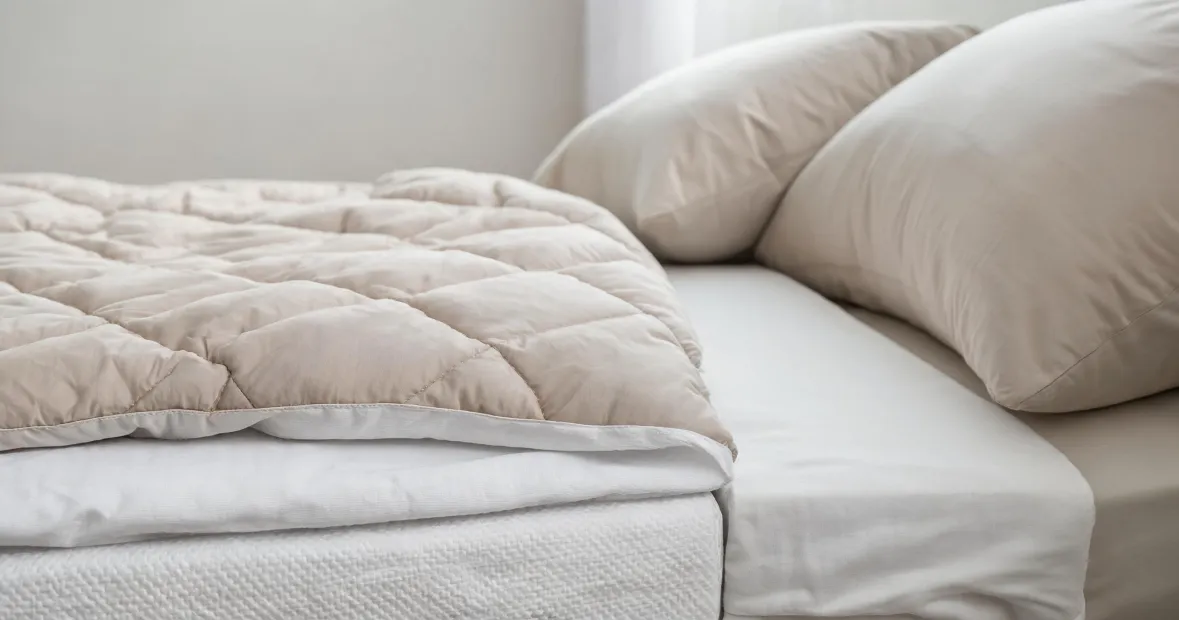
If you are comparing the Utopia Bedding Down Alternative Duvet Insert with a regular comforter, the short answer is that this product is both. It is a premium quilted comforter with a breathable box-stitched design, so it can sit directly on your bed or inside a duvet cover. The same build that gives it a polished profile also keeps the fill from shifting, which is why the brand describes the fit as secure and cozy. You do not need to buy a separate insert and comforter. The real choice is between this all-in-one insert and the separate Microfiber All-Season Comforter—and it comes down to sizes and how you plan to use it.
The Real Question: Is a Duvet Insert Different from a Comforter?
The first thing you will notice when browsing bedding listings is that 'duvet insert' and 'comforter' sit in separate categories, making them seem like opposite products. In Utopia Bedding's lineup, that assumption collapses. The official description for the Down Alternative Duvet Insert calls it a 'premium quilted comforter' with a breathable box-stitched design, year-round luxury, and secure, cozy fit. That means one object does two jobs: thick enough for a standalone comforter, structured enough for a duvet cover. Your decision is not 'insert or comforter' but 'which version of this one product fits your bed, your season, and your style.'
The same listing shows the insert arrives as one comforter rather than a shell plus fill. In the size chart you will see one '1x Comforter' entry per size, with King at 90 x 102 inches and California King at 96 x 102 inches, alongside Queen and Full. This is the concrete difference between a duvet insert and a duvet: a duvet is the shell, and the insert is the fill—but here the fill is already sewn into a quilted comforter body. You could add a decorative cover, but you do not have to. The finish is described as premium and breathable, so the same piece that works as a crisp comforter on a made bed also works as the inner layer when you want to change the room's style.
Duvet Insert vs. Comforter: Why the Lines Blur
So where does the line blur? Compare the Down Alternative Duvet Insert with the Microfiber All-Season Comforter from the same collection, and you will find matching language: both carry 'year-round' or 'all-season' positioning, both are down-alternative, and both appear in the same quilted, breathable family. When two product pages share those claims, the category label is doing more merchandising than engineering. The insert tells you how the item is meant to be used; the comforter label tells you how it will look on the bed. Neither tells you the fill will shift or sleep hot—that is determined by construction, not by the name. Keep that in mind when weighing one against the other.
What the two descriptions share goes beyond marketing. Both product pages reference breathable, box-stitched construction, and both list the same style of all-season comfort in their official copy. That overlap matters when you are deciding which to buy: if you plan to use a duvet cover, the insert's lighter positioning and corner tabs matter; if you never use a cover, the standalone comforter's ready-to-display profile is enough. The practical guidance is to stop treating the two as mutually exclusive. Pick the one whose size range and naming match how you will actually make the bed. If you want a single layer that can be shown bare or covered, this quilted insert is already that product. The shared construction also means you are not sacrificing durability when you choose the insert.
Sizing Timeline: From Twin to California King
Sizing follows a clean progression, and the dimensions are printed right in the listing. Full measures 82 x 86 inches, Queen is 88 x 88 inches, King is 90 x 102 inches, and California King is 96 x 102 inches; the lineup also includes a Twin size. The 'what's included' line lists one comforter per order, and the brand pairs that with free shipping and 30-day easy returns, which lowers the risk of guessing a size wrong. Use the included dimensions as your primary reference, not the bed's width alone—a California King bed needs the extra length of the 96-inch side.
To choose a size, start with your mattress dimensions and then think about drop, not just coverage. Measure the length and width of your mattress top, add the depth of the mattress and the overhang you want on each side, and compare that total to the comforter's dimensions. A Queen mattress with a deep pillow-top will feel more secure with the 88 x 88 Queen cover if you want a modest drop; if you prefer extra drape, the King at 90 x 102 gives you more fabric without making the bed look sloppy. For bunk beds or guest rooms with a Twin mattress, the 64 x 88 Twin option keeps the proportions right. The same product dimensions apply whether you use it bare or inside a duvet cover, so this is a one-time decision.
One timeline note: bed sizes have expanded over the past decade, with deeper mattresses and split-adjustable bases, so older 'one size fits all' advice no longer holds. The current collection groups the quilted insert and the Microfiber All-Season Comforter in the same sizing logic, with King and California King separated by six inches of length. That distinction matters if you have a California King frame—the 96 x 102 dimension is made for it, and picking the King at 90 x 102 would leave a visible gap. When you check the listing, trust the exact inch measurements over your memory of a previous comforter, because two inches of difference can change whether the corners stay square. Deeper mattresses also shift how much comforter you need to reach the edge, so the overhang calculation should include the bed's height, not just its surface area.
Box-Stitched Construction: What It Does for Warmth
Box-stitching looks like a decorative grid, but on this comforter it is structural. The official description pairs 'premium quilted comforter' with 'breathable box-stitched design,' and that pairing is the clue: the stitching partitions the fill into separate sections so down-alternative fiber cannot slide toward the edges. Over months of use, you will not wake up with a thin, cold band along the sides or a lump of fill gathered at the foot. It also keeps the surface flatter, so the comforter drapes cleanly and fits inside a duvet cover without bunching. The box pattern is the reason the brand can promise a secure, cozy fit—it is the engineering behind the comfort claim.
The durability angle comes from the same construction. When a quilted comforter is box-stitched, each cell limits how far the fill can travel, which reduces the wear that creates thin spots. The companion Microfiber All-Season Comforter uses the same breathable, box-stitched language, reinforcing that this is a design standard rather than a one-off feature. For long-term use, what matters is that the stitching is continuous and the fill stays distributed; a comforter that loses its loft near the edges will need to be replaced sooner. You can test the quality yourself at home: shake the comforter, then check whether the fill stays within its channels. If it does, the box-stitching is doing its job.
All-Season Comfort Without the Bulk
The all-season claim appears consistently across the brand's official pages, and it is more than a tagline. The Down Alternative Duvet Insert is described with 'year-round luxury,' while the Microfiber All-Season Comforter is positioned for 'year-round comfort'—both built around breathable, box-stitched fabric. If you run warm in July, a down-alternative fill tends to trap less heat than traditional down, and the breathable stitching allows some airflow through the quilted cells. That is why the same layer that feels substantial in winter can stay workable in summer, provided your room is not humid and you are not piling extra blankets on top. The boundary of this claim is season, not room temperature: an all-season comforter is designed for moderate ranges, not for extreme heat or freezing bedrooms.
Down alternative material is the other half of that story. The official listing for the companion microfiber comforter in the same collection says it is 'durable, soft, and breathable,' and the duvet insert's own description points to a breathable box-stitched design. That corrects the common misreading that 'down alternative' means a synthetic fiber that sleeps hot. The synthetic fill can mimic the loft of down while staying easier to keep clean, and the microfiber shell adds to the breathability. The trade-off is real: down alternative will not give you the puffy, sinking feel of high-loft down, and it will not be as warm as a thick winter duvet. You get predictable, moderate warmth with less maintenance, which fits the all-season positioning.
Corner Tabs: Keeping Your Comforter in Place
Corner tabs are the part of a duvet insert that people overlook until the cover starts slipping. The tabs sit at the corners inside the cover, where they can be tied to the cover's own corner loops, keeping the insert anchored when you turn over at night. The official description for this product says the design offers a 'secure, cozy fit,' and the corner tabs are the concrete way that claim becomes true. Without them, a quilted insert can slide and fold inside the cover, creating a twisted band under your body. With them, the insert and cover move as one layer, which is why the product can be marketed as an insert without losing its standalone-comforter feel.
Bringing that back to the full lineup: the brand treats corner tabs as part of the secure-fit promise rather than an add-on accessory. The same collection's other comforters use quilted, box-stitched construction, and the duvet insert version adds the tabs specifically so it can toggle between bare and covered use. In practice, you can place it directly on the bed for a clean, tailored look, then tuck it into a duvet cover when you want pattern or color. The tabs do not lock you into a cover; they make the cover optional. If you skip the cover, the quilted finish and stitched edges provide the finished appearance, and the corners stay put because they are filled and sewn as part of the box construction. This is the 'standards update' in practical terms—a single layer that works either way.
The Verdict: Who Should Buy This Duvet Insert
The strongest reason to buy this Utopia Bedding Down Alternative Duvet Insert is that it combines two features that usually require two purchases: a complete quilted comforter and a functional duvet insert. It arrives with the fill already sewn in, uses breathable box-stitching to keep that fill evenly distributed, and carries the brand's 'secure, cozy fit' language on the official listing. For someone who wants one layer that can be shown bare or covered, this is the more direct path than buying a separate insert and top comforter. It also gives you a size ladder from Twin to California King, with clear measurements on King and California King so you can match longer or deeper frames without guesswork. The all-season positioning and 30-day easy returns lower the downside of trying it. In effect, you get a two-in-one product with a lower risk than a specialized duvet insert.
The boundary is where the Microfiber All-Season Comforter starts to make more sense. If you want a slightly lighter layer for summer, or you only need a Twin and the listing's main size chart speaks more directly to that, the separate microfiber comforter is the safer pick. The duvet insert's job is to be the middle-weight, all-in-one layer; it is not the hyper-warm winter duvet or the featherlight summer throw. Use the collection's own distinction as your rule: choose the insert when you will use a cover sometimes, and choose the standalone comforter when the bed is always made to be seen. With that filter, the decision becomes simple—and the corner tabs and box-stitching mean either way, you are getting a layer that stays put. That rule separates the two products better than any label does.
The takeaway is that the Utopia Bedding Down Alternative Duvet Insert is a standards update in the practical sense: the box-stitching holds the fill, the corner tabs make the cover optional, and the all-season positioning keeps it useful across the year. If you want one quilted layer that works both bare and covered, this insert is the answer. If you need a separate lightweight comforter, the collection's microfiber option is waiting.